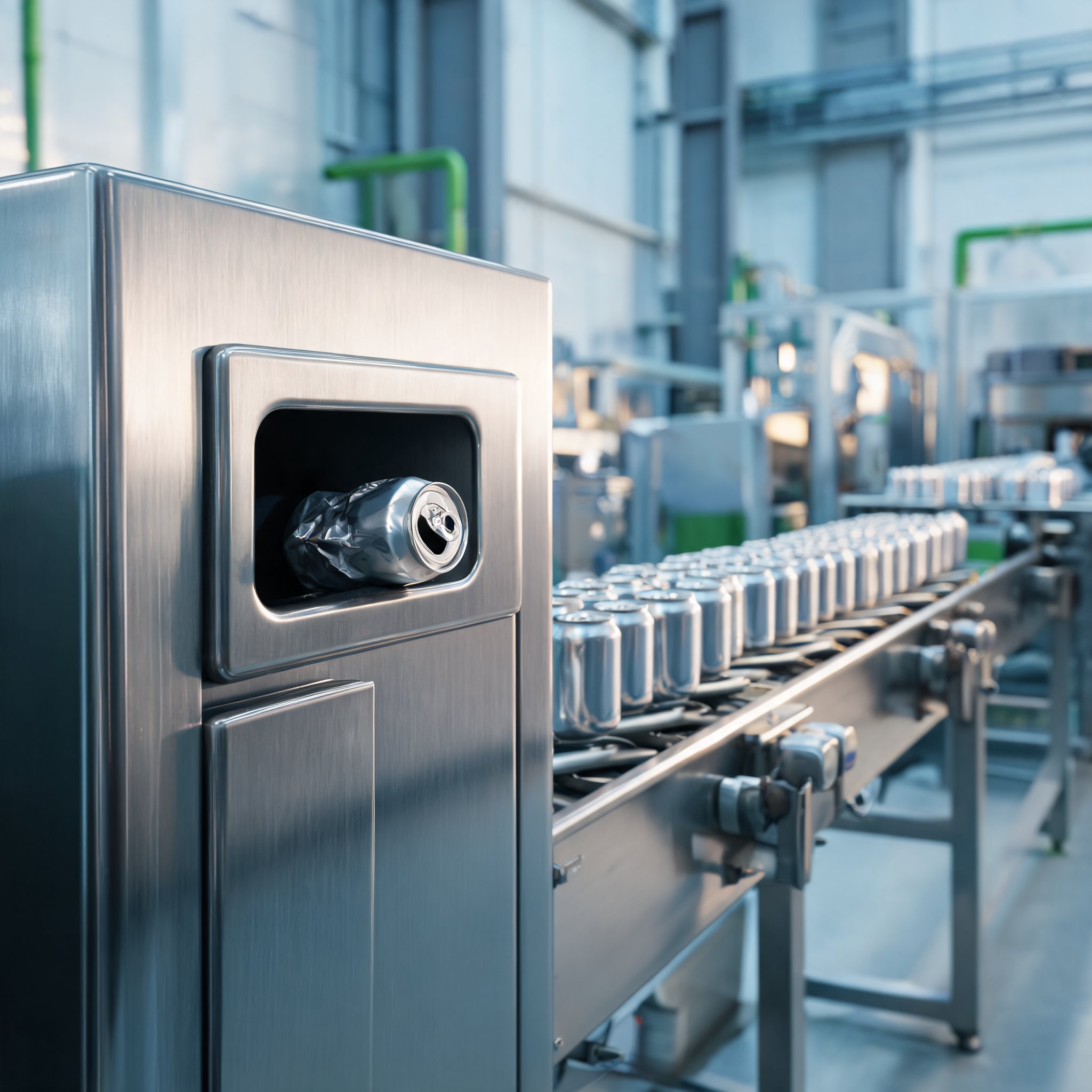
Germany's deposit return scheme (DRS) for single-use beverage containers, widely known as Pfand, underpins a reported 99 per cent recycling rate for used aluminium beverage cans. An International Aluminium Institute (IAI) study cited in the coverage shows the country's packaging recycling picture led by that 99 per cent figure, followed by PET bottles at 95 per cent and glass bottles at 81 per cent, against a European total recycling record of 76.3 per cent.
By making empty beverage containers financially valuable and easier to return, Germany has built a collection network that supports aluminium recycling alongside the recovery of plastic and glass packaging.
From mandatory deposit to nationwide system
The current single-use deposit system took shape in stages. The mandatory deposit requirement was decided in 2003, and in 2005 retailers and the drinks industry jointly established Deutsche Pfandsystem GmbH (DPG) to develop a standardised framework for implementing it. The nationwide DPG system for single-use beverage packaging began operating in May 2006, supported by an extended take-back obligation that required the new arrangements to be in place from 1 May that year.
Under the scheme, consumers pay a EUR 0.25 (USD 0.28) deposit on eligible single-use beverage containers and recover it when they return the empty packaging at an accepted collection point. Retail take-back, reverse-vending machines and standardised container identification have made returns part of routine shopping. The system now handles around 20 billion containers annually, making it the largest one-way deposit-return system in the European Union, according to DPG material, with more than 1,000 companies affiliated as participants and partners.
A dedicated stream for used beverage cans
The main benefit for the aluminium industry is not only the number of cans returned but the creation of a reliable, dedicated stream of used beverage cans that can enter organised collection and recycling channels rather than being lost in mixed waste. The EUR 0.25 refund gives consumers a direct financial reason to return containers, while retail take-back and reverse-vending machines add convenience. Container recognition and standardised identification help direct eligible packaging into separate collection streams. A refundable deposit can also help limit material loss by keeping eligible containers out of ordinary disposal routes.
Recycling capacity behind the scheme
Germany's collection performance sits alongside a sizeable recycled aluminium industry. The material estimates national recycled aluminium capacity at around 700,000–720,000 tonnes annually. Novelis operates its Nachterstedt facility in Germany, described in the material as the world's largest aluminium recycling facility, with capacity to process up to 400,000 tonnes of aluminium scrap a year. Hydro-owned WMR Recycling GmbH in Dormagen supplies technology-driven sorting equipment and can sort 36,000 tonnes of aluminium scrap per year, using X-ray transmission and other sorting technologies. Trimet Aluminium SE has expanded its Gelsenkirchen recycling facility, increasing production capacity by 20 per cent to 80,000 tonnes of recycled aluminium.
These operations illustrate the link between collection and industrial recovery: DRS brings containers into organised channels, while sorting and recycling facilities prepare the recovered metal for further use.
Two decades of DRS
Germany marked the scheme's 20-year milestone at anniversary celebrations in Berlin on 17 June 2026, with the European Commission and Germany's Federal Environment Ministry highlighting its contribution to the circular economy. EU Commissioner for the Environment Jessika Roswall said that all packaging — glass bottles, plastic bottles or aluminium cans — should be sent for recycling in order to increase efficiency, reduce waste and protect the environment. Antje von Broock, Head of the Department for Circular Economy, Air Pollution Control and Chemical Safety at the Federal Environment Ministry, said the deposit-refund system makes a very important contribution to the circular economy today. DPG Managing Director Susanne Kürschner noted that the organisation and its partners had maintained the system's stability while making it more efficient, resilient, future-proof and scalable.
The DRS operates alongside broader packaging collection arrangements, including household sorting through the Dual System commonly associated with the Grüner Punkt. The deposit scheme provides a dedicated route for eligible single-use beverage containers, while other packaging remains subject to the relevant collection and compliance arrangements. As Europe looks to strengthen packaging circularity, Germany's two-decade record offers a practical example of how collection systems can help connect consumer behaviour with aluminium can recycling.