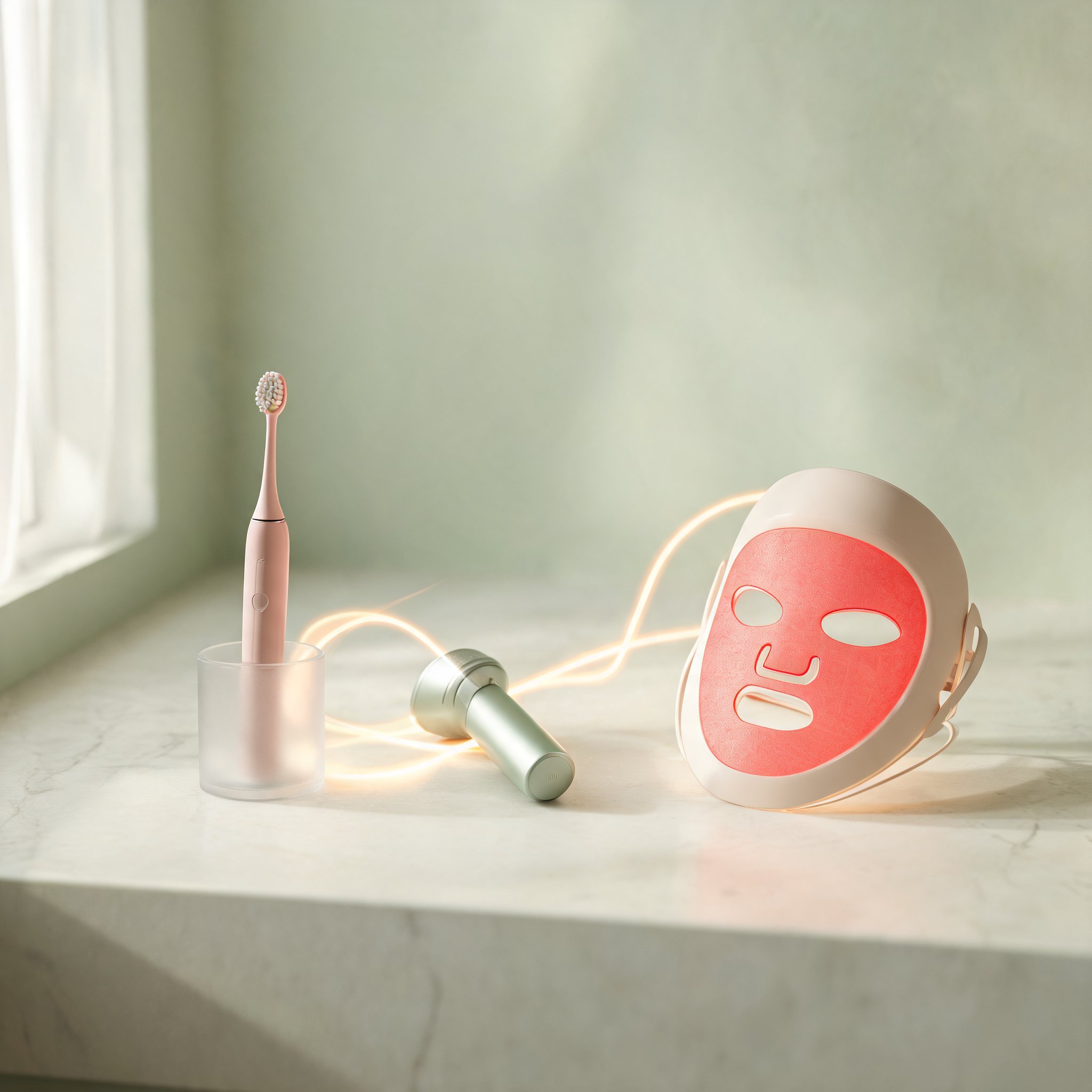
Philips has outlined three technology trends that it says are reshaping the beauty industry: personalized guidance, at-home devices and human connection. The common thread, according to the personal care group, is a shift in daily routines from functional tasks into moments of care. Philips says consumers are making more deliberate choices about how they start and end their days and how they look after themselves, and that technology is expected to make those relationships more supportive and individual.
Clearer guidance in a crowded market
Beauty consumers can reach more information than ever, but Philips argues that volume alone does not produce confidence. A growing array of products, ingredients and technologies can make choices harder rather than easier. That gap has encouraged brands to offer more targeted solutions. Philips cites research showing that 62% of US beauty and personal care buyers are interested in hyper-personalized products.
Alice Crossley, principal strategic foresight analyst at The Future Laboratory, says consumers now expect beauty and wellness technology to respond to them and adapt intelligently. In her view, real-time guidance, personalized insights and clear explanations of why a product recommends a particular step are becoming standard expectations rather than points of difference. Brands that can turn complex science into practical, relatable advice are likely to shape the next stage of innovation, she says.
Examples are already appearing in retail. Ulta Beauty recently introduced a ChatGPT plugin that assembles personalized product bundles around a shopper’s goals, routine and budget. Haut.AI CEO Anastasia Georgievskaya has cautioned that consumers lose interest quickly when AI feels generic and are more likely to trust recommendations based on real skin data.
Confidence and the home device
The move toward guided home devices is visible across personal care. Dyson and Usmile have launched camera-equipped AI toothbrushes that use real-time imaging to show users which areas they missed while brushing. Red light therapy masks are also entering the mainstream, with LED devices now widely available through beauty and wellness retailers.
Dr Aamna Adel, a UK consultant dermatologist, says the main obstacle to adopting beauty technology is not the hardware but confidence. She argues that routines succeed through understanding, consistency and trust, and that clear, evidence-based feedback can help users build confidence and stay with a regimen long enough to seek results.
Guidance built into a device
Philips has put that idea into its Lumea 9900 Pro, described by the company as the first at-home intense pulsed light hair removal device with audio feedback and motion guidance. As the device moves over legs and arms, it gives live spoken feedback intended to improve coverage and technique.
The device uses SenseIQ Pro and SmartSkin sensor technology to determine individual skin tone automatically and guide the user to an appropriate light setting, a step Philips says is meant to support effectiveness and safety. It also tracks progress and provides post-treatment reports that analyze hair reduction and offer personalized recommendations. Philips says the combination of audio and visual guidance is designed to make treatments feel intuitive from first use, drawing on 25 years of IPL research.
Keeping human insight in the loop
Philips says the goal is not to make routines more mechanical but more personal. The company argues that as beauty becomes more data-led, lasting technologies will respect individual choice, respond to actual needs and preserve room for enjoyment. Won Sook Ko, Philips’ global category leader for Beauty, says the company’s role is to give women agency rather than prescribe how they should look, and then support their choices with safe, personalized guidance.
Industry participants see a similar balance. Kimia Koushesh of Vantage Beauty says the opportunity is to combine technology with human insight rather than choose between them. Revieve’s Future Face of Beauty report reaches a comparable conclusion: the industry is moving toward guided empowerment, stronger relationships and long-term trust, with Asia Pacific pairing advanced technology with human connection. Tiffany Buathier, founder of The New Well, adds that confidence grows when women have genuine choice, and that technology can create space for self-trust when it removes doubt about what to do and how.