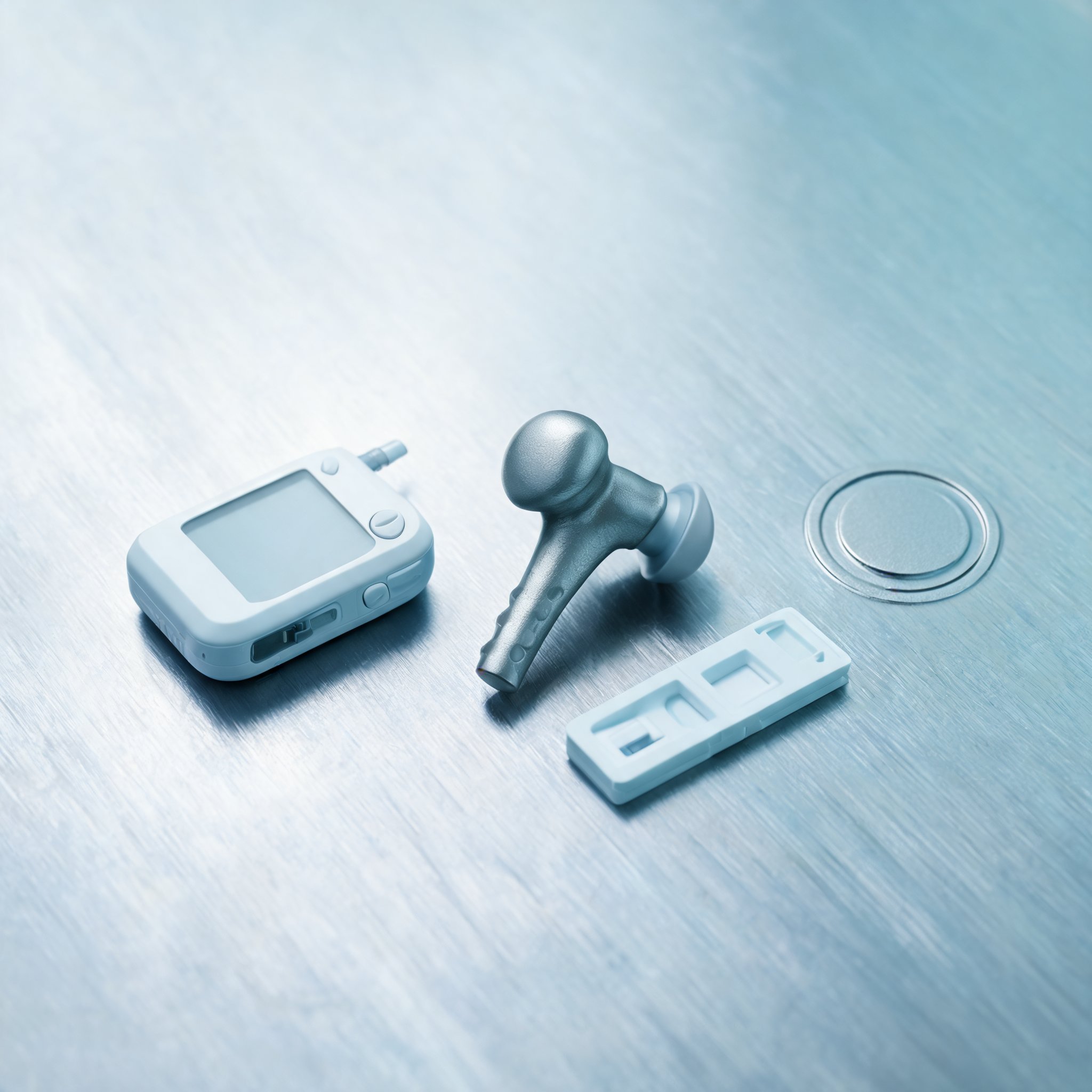
The UK government has confirmed that CE-marked medical devices and in vitro diagnostic devices (IVDs) will continue to be accepted in Great Britain on a long-term basis, removing the prospect of a separate approval step for products already cleared for the European market.
The decision follows a public consultation that ran from 16 February 2026 to 10 April 2026 and received more than 1,000 responses from patients, healthcare organisations, industry and other stakeholders. Under the arrangement, devices already approved for the EU market will not require an additional UK approval route, which the government says avoids duplication for manufacturers and helps maintain stable supply and patient access.
Scale of CE marking in Great Britain
More than 90% of medical devices currently registered for use in Great Britain carry a CE mark, meaning they have been assessed and approved for the European market, and that approval has been recognised as providing access to the Great British market. Continued recognition is intended to maintain safe, uninterrupted access to the treatments and technologies that patients and the NHS rely on, a category that includes insulin pumps, replacement joints, diagnostic tests and surgical equipment.
UKCA route continues alongside
The UKCA marking route continues to operate as the domestic approval pathway for devices placed on the market in Great Britain. The two routes therefore run in parallel rather than one displacing the other, and guidance on placing UKCA- or CE-marked products on the market in Great Britain remains available.
The government described the outcome as widely anticipated, and framed the decision as avoiding duplication for manufacturers while preserving patient access to medical technologies.